PORTFOLIO
ENCHANTING WORLD OF SPICES | SEASON 2
1. Cumin from Turkey
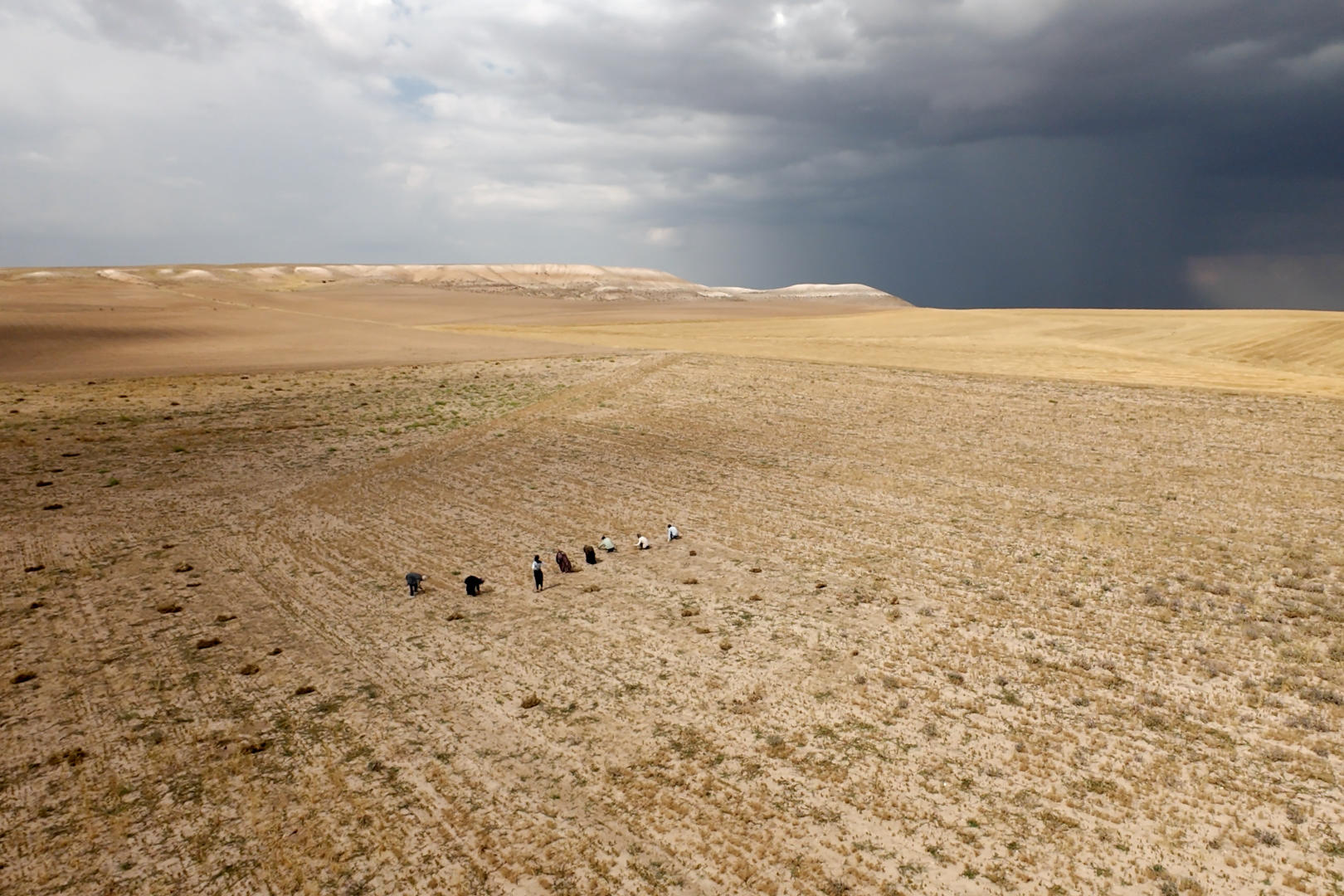
Turkish cumin — known locally as kumin — is considered among the most flavorful varieties of this spice worldwide. It is one of the pillars of Turkish cuisine and is harvested by hand across the vast plains of Anatolia. The German name Kreuzkümmel refers to its visual resemblance to caraway, though the two differ entirely in aroma and taste. Protected by the Taurus Mountains, Central Anatolia marks the westernmost natural range of the plant. No other spice shapes Turkish culinary culture quite like cumin. For good reason: Turkish cuisine values legumes — and cumin is known to aid digestion.
2. Capers from the Aeolian Islands
The Aeolian Islands north of Sicily are known as the “Islands of the Wind.” They are famous for their capers — the finest of which come from the island of Salina. On a rocky plateau above the rugged coastline lies the small village of Pollara, where capers have been cultivated for generations. The harvest consists of the unopened buds of the caper bush. Work begins in the early morning hours, before the relentless midday heat sets in. Immediately after picking, the buds are preserved in sea salt. Over several months, they ferment — and only then are they ready to eat. Perfectly adapted to the island’s climate and volcanic soil, the caper bush gives Salina’s capers their distinctive aroma.
3. Turmeric from India
In India, turmeric is far more than an ingredient — the golden root symbolizes healing, purity, and tradition. For thousands of years, it has played a central role in Ayurveda and religious rituals, while modern science celebrates it as a “superfood.” The film traces turmeric’s journey: from the vast fields of Maharashtra to the bustling markets of Mumbai, and on to wedding celebrations where it is applied as a sacred paste during the Haldi ceremony. Here, turmeric is believed not only to bring good fortune, but also to make the skin glow — a ritual that unites tradition and community.
4. Marjoram from Cyprus
Marjoram is known as the herb of love. According to legend, it was created by Aphrodite herself on the Mediterranean island of Cyprus. With around 300 days of sunshine per year, Cyprus was already considered a dream island in antiquity, blessed with a unique climate ideal for cultivating marjoram. To this day, family-run farms grow the plant in wide fields. Once — occasionally twice — a year, it is harvested, dried, and traditionally rubbed by hand, separating flowers, calyxes, and leaves. The finished herb is used in cooking as well as brewed as tea. In recent years, oil production has regained popularity: around 200 kilograms of marjoram are needed to produce just one liter of the precious essential oil.
5. Saffron from Greece
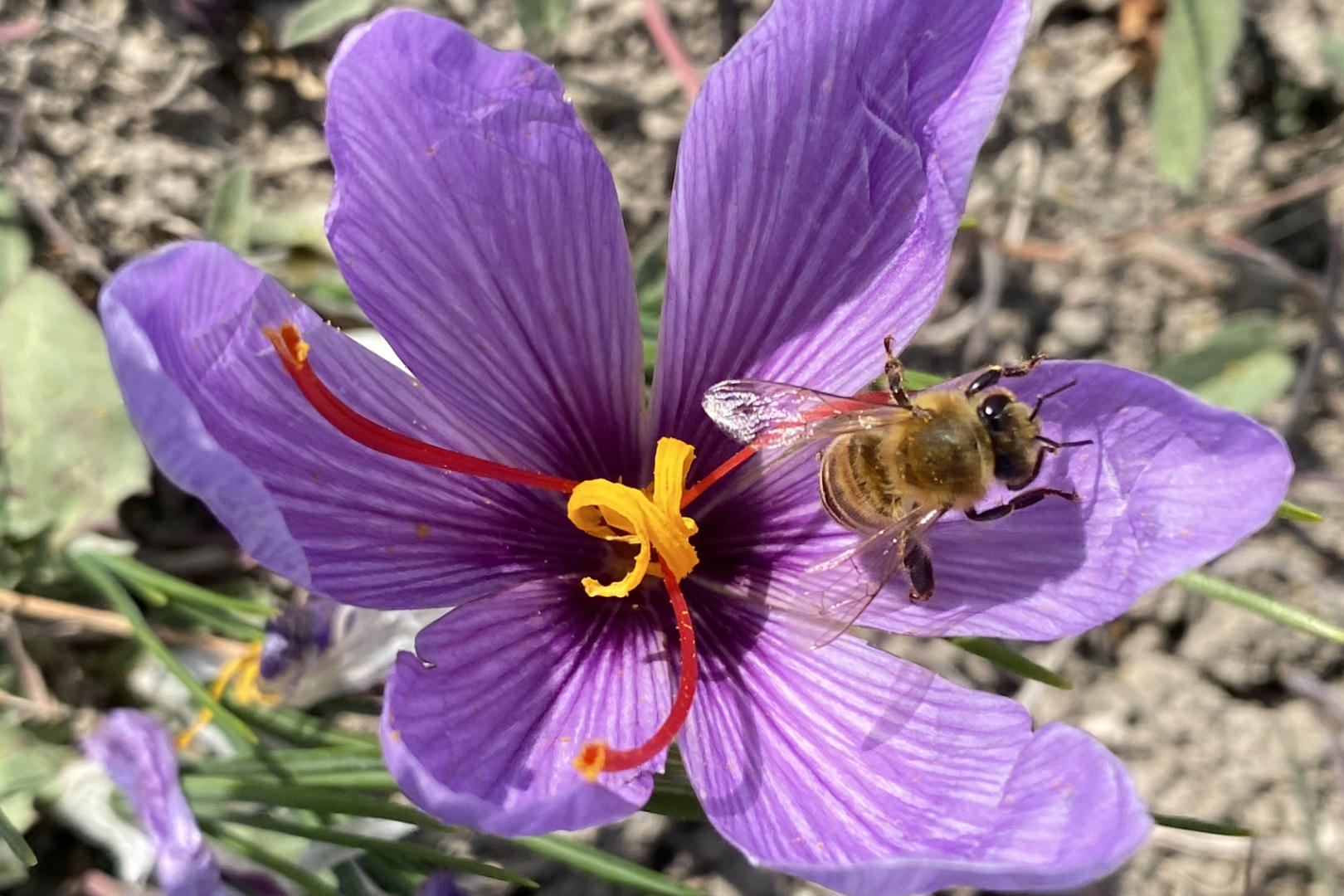
Saffron is known as the spice of the gods. Three delicate red threads from the blossom of the saffron crocus — precious and coveted since ancient times. More than 3,000 years ago, it was already an important trade commodity on the Greek islands of the Aegean. What makes it one of the most expensive spices in the world is that harvesting and processing the fragile threads remain entirely manual work. Today, the main cultivation area of Greek saffron lies in the mountainous region of Western Macedonia around the town of Kozani. Depending on origin and quality, one gram of saffron can cost around ten euros.
6. Juniper from Albania
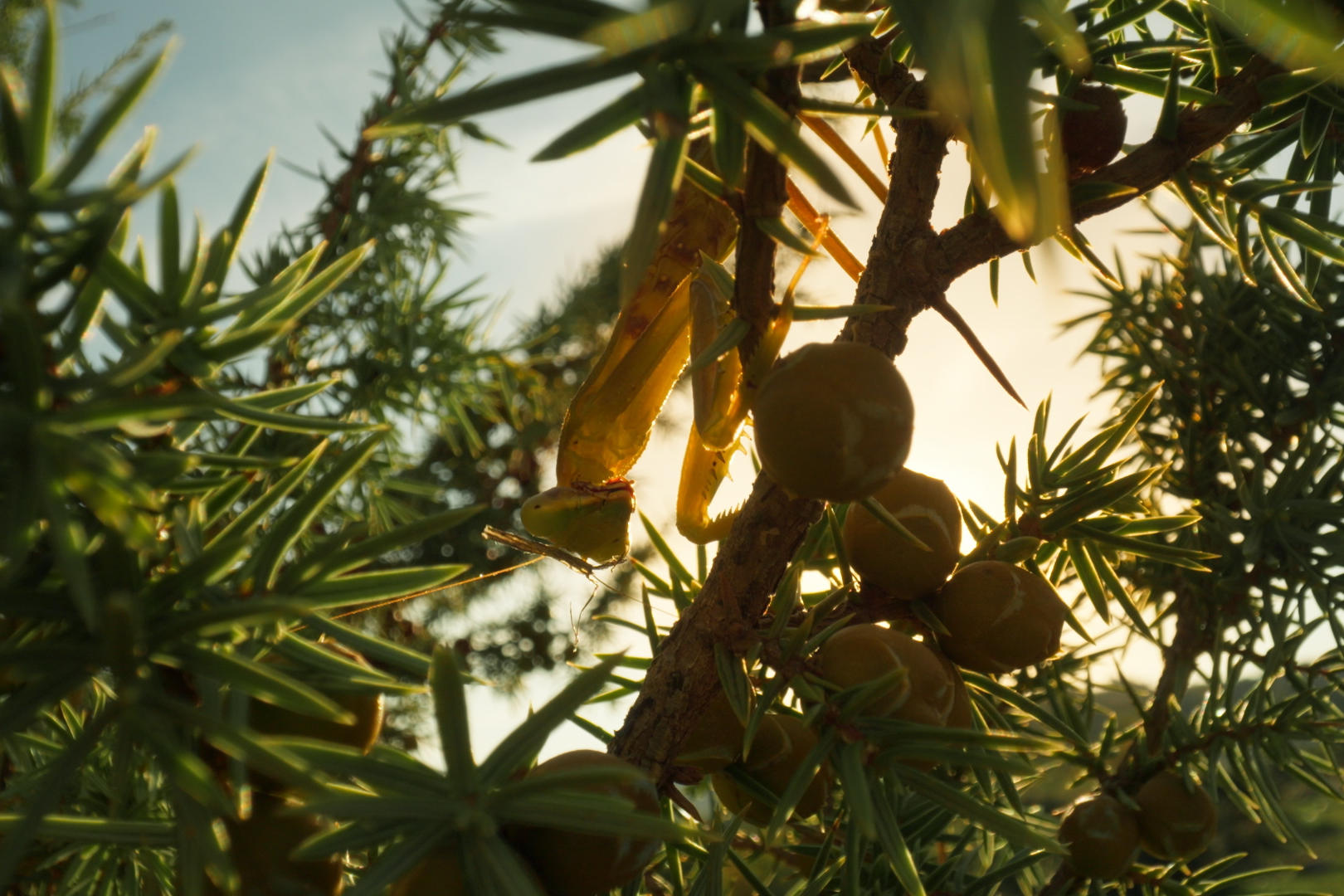
Juniper is the gold of Albania. The conifer grows in the rugged mountain forests of the Balkans, requiring little water and plenty of sun. Around 100,000 people in Albania make their living from the labor-intensive collection of juniper “berries,” which are botanically cones. Only female trees produce them, and over 18 months they ripen from yellow-green to deep purple. Their smooth outer scales enclose the others so tightly that they appear to be dark berries. Located on the western side of the Balkan Peninsula, Albania has a Mediterranean climate: rainy but mild winters and dry, warm summers. Sparse settlement and limited industrialization create ideal conditions for remarkable biodiversity. In the coastal plains, red juniper also thrives — milder in flavor and easier to harvest. The lagoons and wetlands along the coast serve as vital resting places for migratory birds. The film Juniper from Albania by Jevgenij Rudnyi uncovers stories surrounding juniper, set against the magnificent backdrop of Albania’s breathtaking natural landscape.
7. Coriander from Portugal
In Portugal, coriander is more than just a spice — it is part of cultural identity. Especially in the Alentejo region, the herb shapes not only traditional dishes but also the lives of the people who cultivate, harvest, and prepare it. Long before Portuguese seafarers traded its seeds across the globe, coriander was already deeply rooted in the country’s cuisine. To this day, no other herb rivals its importance. The film tells the story of a spice that connects people, tradition, and modernity — from the wide plains of the Alentejo to the lagoons of the Algarve and into Lisbon’s creative gastronomy scene.
8. Chili from Arizona
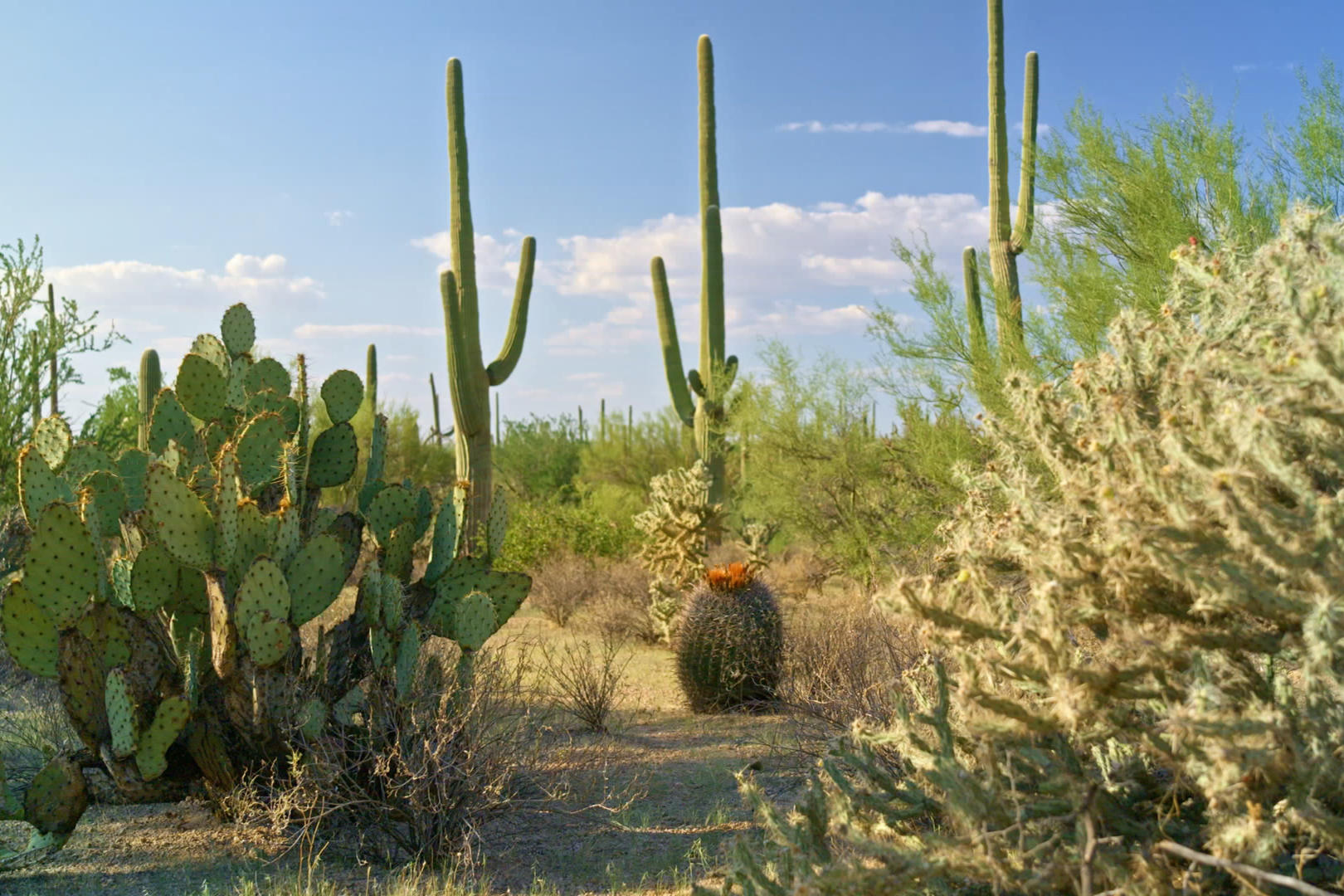
The ancestor of today’s supermarket bell pepper — and of nearly all chili varieties — grows in the Sonoran Desert of the American Southwest. From Mexico north into the United States, wild chiltepin once seasoned the food of Indigenous peoples. Birds first carried the fiery berries across Central America. Unlike mammals, they are unaffected by capsaicin — the compound that gives chili its heat — allowing the plant to spread widely. When Spanish soldiers conquered Central America, they carried the flavorful spice aboard ships that sailed as far as East Asia. From there, chili spread around the world, changing in color and heat along the way. The original wild chiltepin still grows hidden in Arizona’s canyons and in northern Mexico’s fields. Ethnobotanists search for its habitats, as the regions on both sides of the border share a long cultural history in which chiltepin remains a staple of everyday cooking. Even a local Mexican dance group that entertains farmworkers on weekends performs a piece in honor of the chiltepin.
8 Episode
ARTE
|
43MIN.